
Blogs Details

Embedded security for automotive, medical, and industrial devices.
Embedded security is crucial in devices that control critical systems. Automotive, medical, and industrial devices face high stakes if compromised. Strong security safeguards safety, privacy, and reliability.
In automotive systems, embedded security prevents unauthorized access to vehicle control units. Medical devices rely on secure firmware to protect patient data and ensure life-saving operations. Industrial devices use security measures to prevent sabotage and maintain operational continuity.

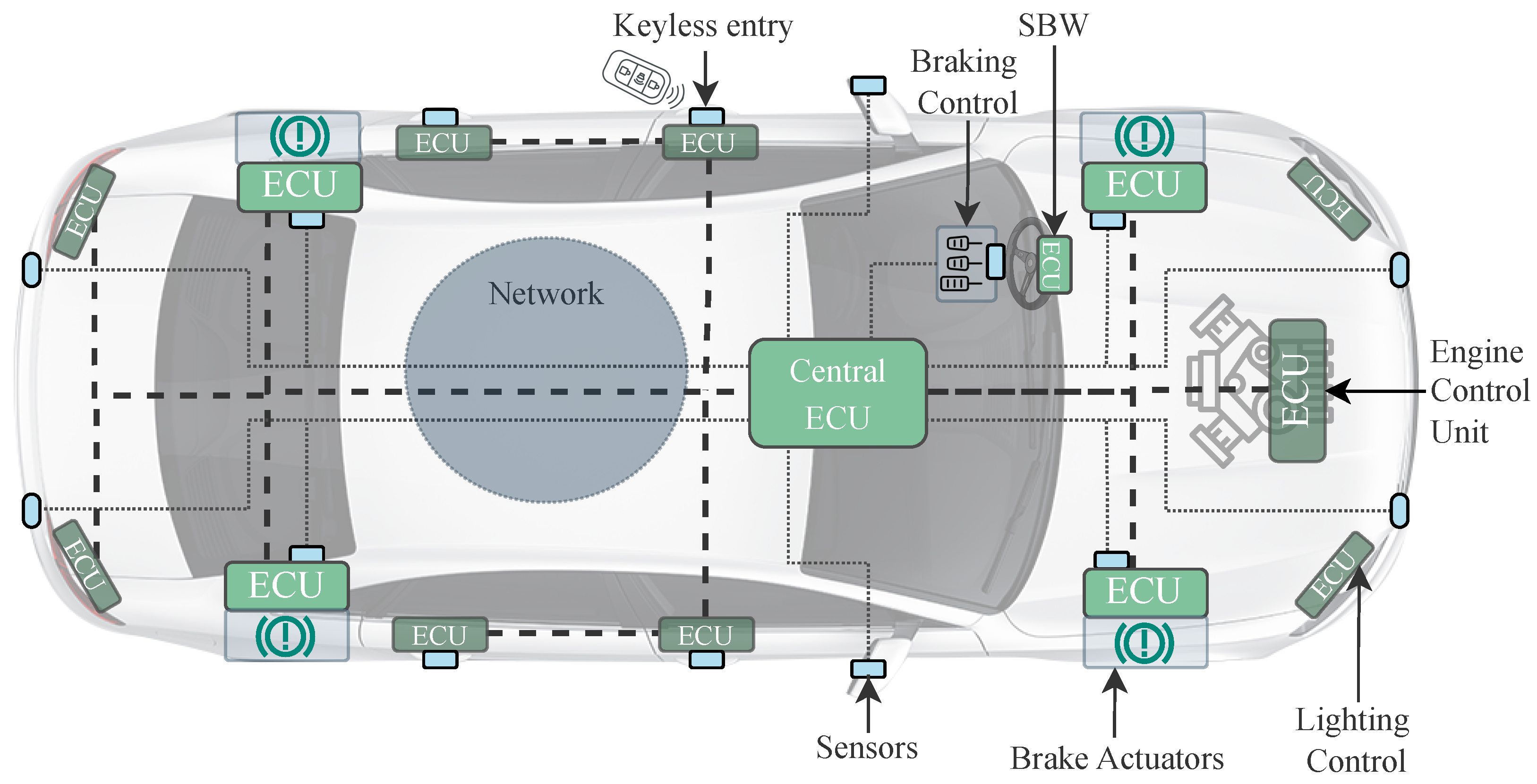
Implementing encryption, secure boot, and authentication protocols strengthens device resilience. Regular updates, vulnerability assessments, and hardware-based protections reduce risk. Collaboration between software and hardware engineers ensures robust security. Comprehensive monitoring detects anomalies before they escalate into serious threats.
"Embedded security is not optional — it’s the foundation of trust in critical systems."
Failing to secure embedded devices can result in safety hazards and regulatory penalties. Investing in proactive security strategies protects both users and organizations.
From connected cars to medical implants and industrial control systems, embedded security ensures operational safety. Following best practices in design, implementation, and testing creates reliable devices. Secure devices build trust, protect lives, and prevent costly breaches.