Blogs Details
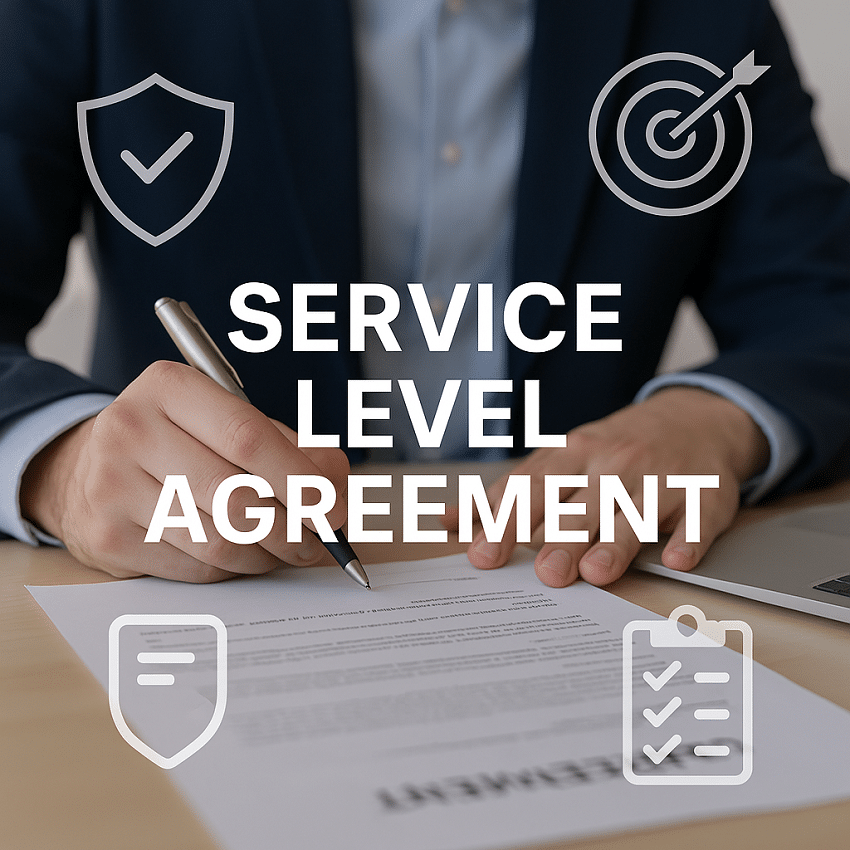
SLA-driven support: what businesses should expect
Service Level Agreements (SLAs) define the expectations between businesses and their service providers. SLA-driven support ensures accountability and transparency in service delivery. Businesses can measure performance against clear standards.
Key metrics in SLA-driven support include response time, resolution time, and uptime guarantees. Regular reporting and monitoring help track compliance. Businesses gain confidence knowing support is structured and measurable. SLAs also outline penalties for missed commitments, protecting organizational interests.
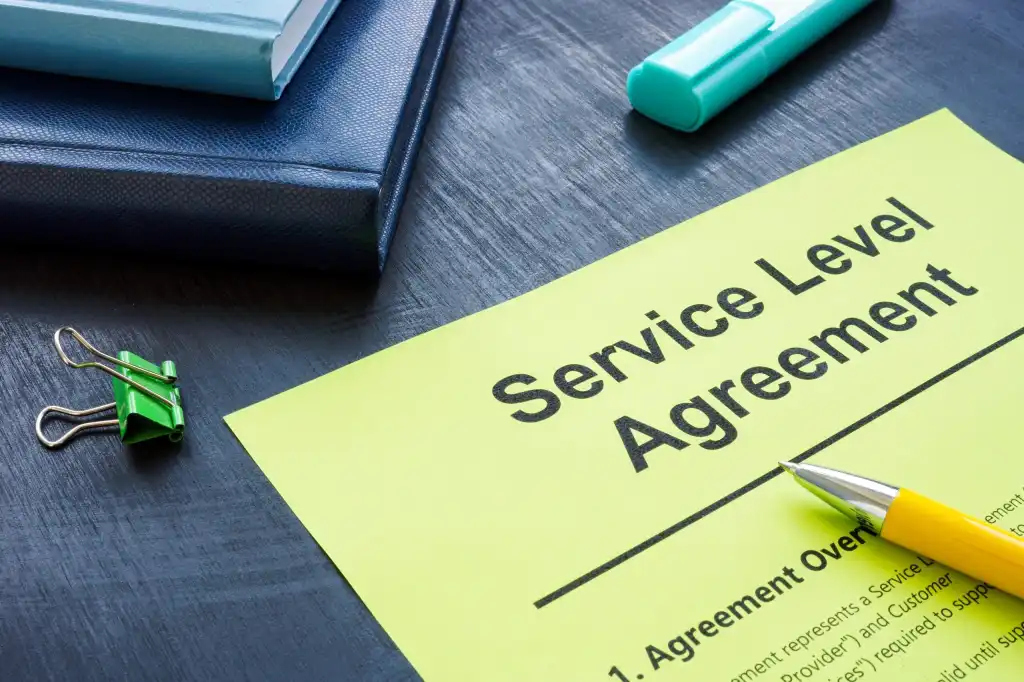

Proactive support under SLA agreements reduces downtime and operational risks. Communication channels, escalation procedures, and dedicated account management improve efficiency. Predictable support leads to higher customer satisfaction and stronger business relationships. Clear documentation ensures accountability and continuous improvement.
"SLA-driven support transforms reactive service into a proactive business advantage."
Businesses should expect timely responses, problem resolution, and regular performance updates. SLAs create a framework for trust and reliability.
From IT services to cloud solutions, SLA-driven support ensures consistent performance. By setting clear expectations, companies reduce risk and enhance operational stability. Transparent, measurable, and proactive support keeps businesses running smoothly and efficiently.